Sometimes companies win awards for scale.
Sometimes for visibility.
But more rarely — for the way they actually operate.
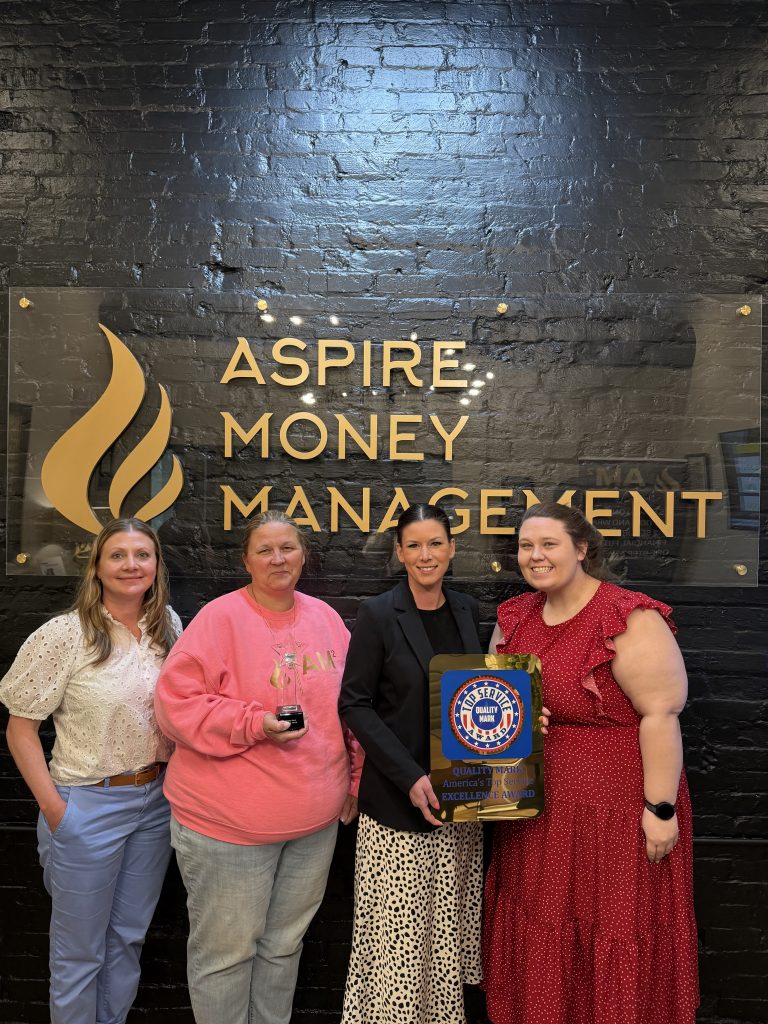
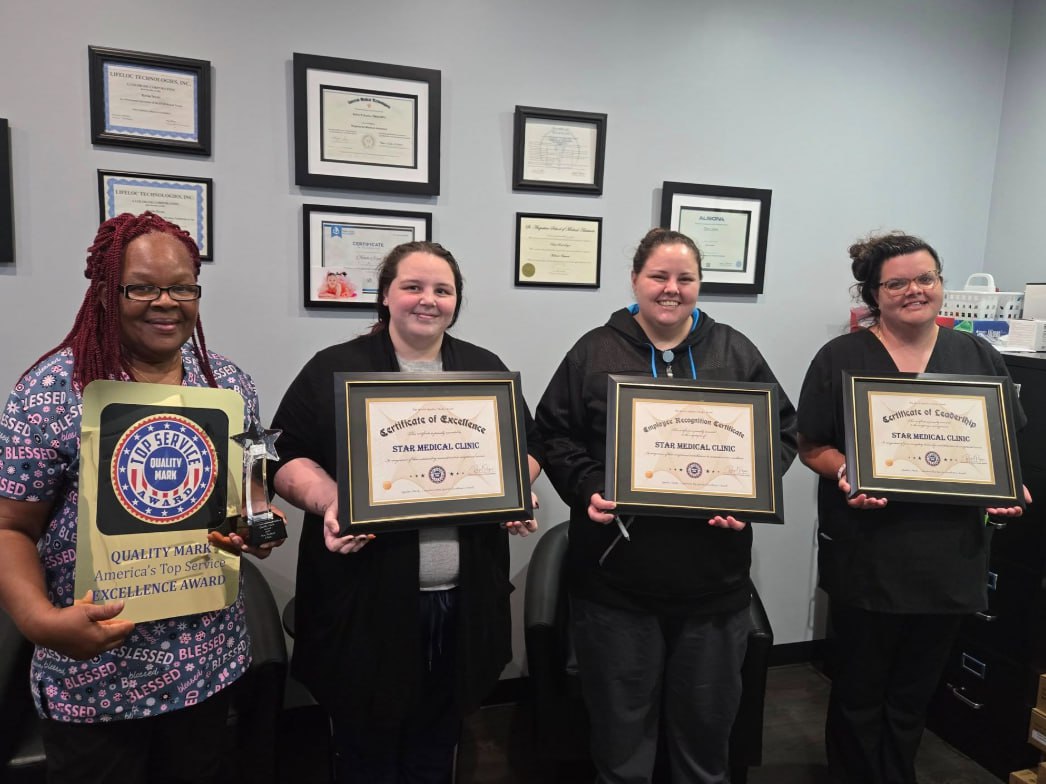
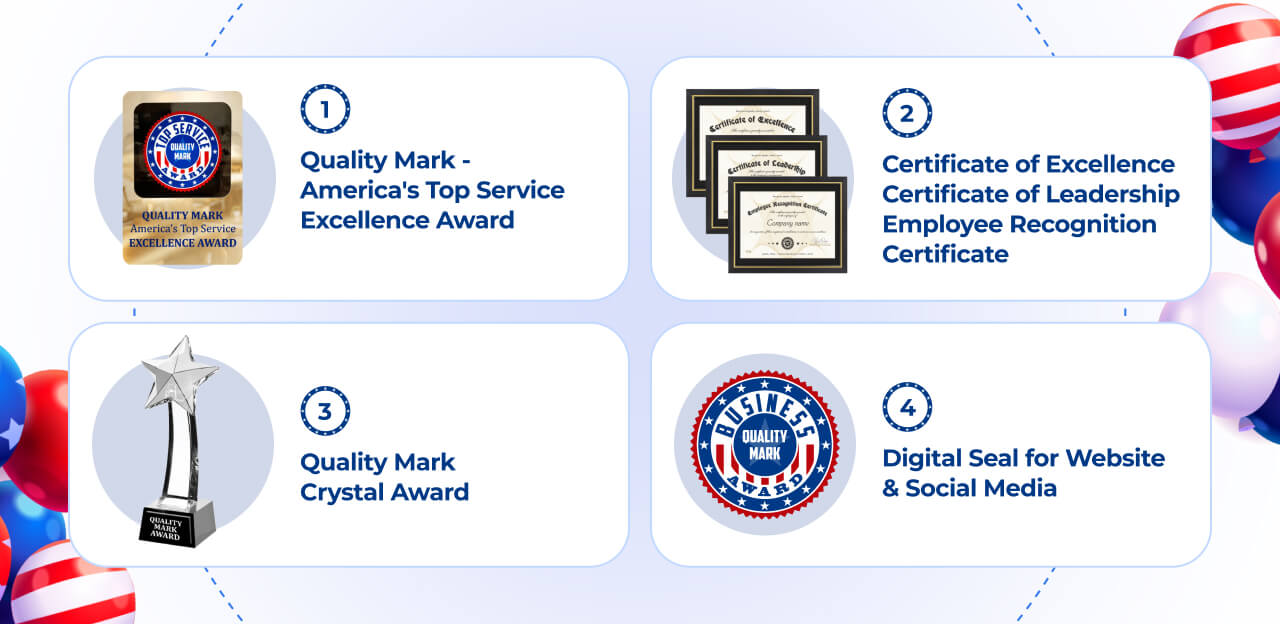
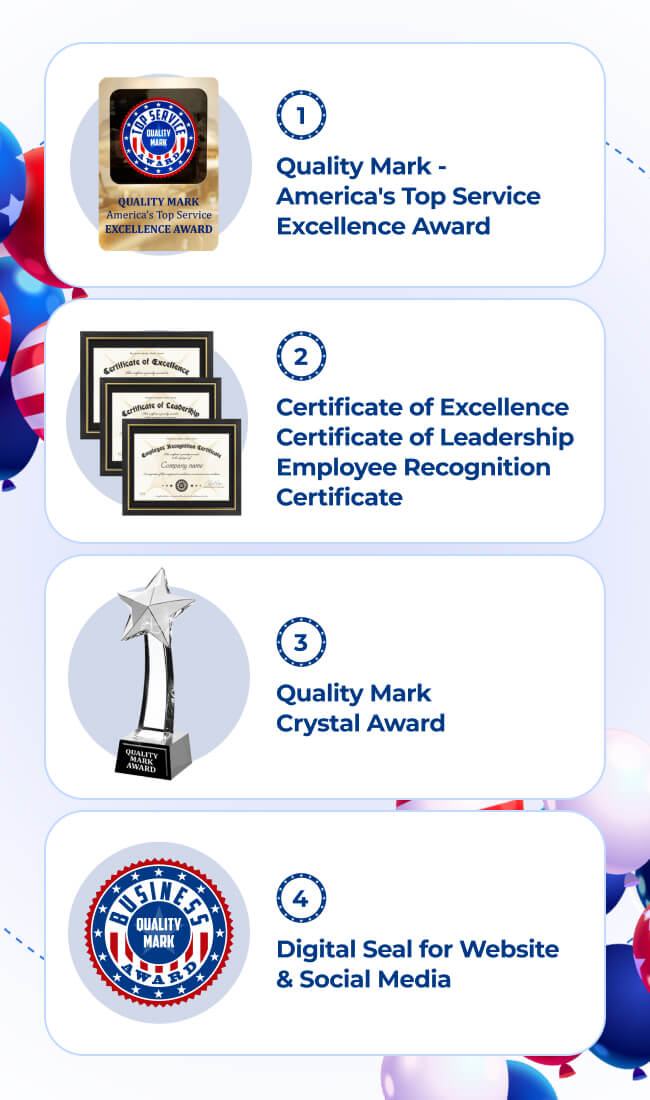
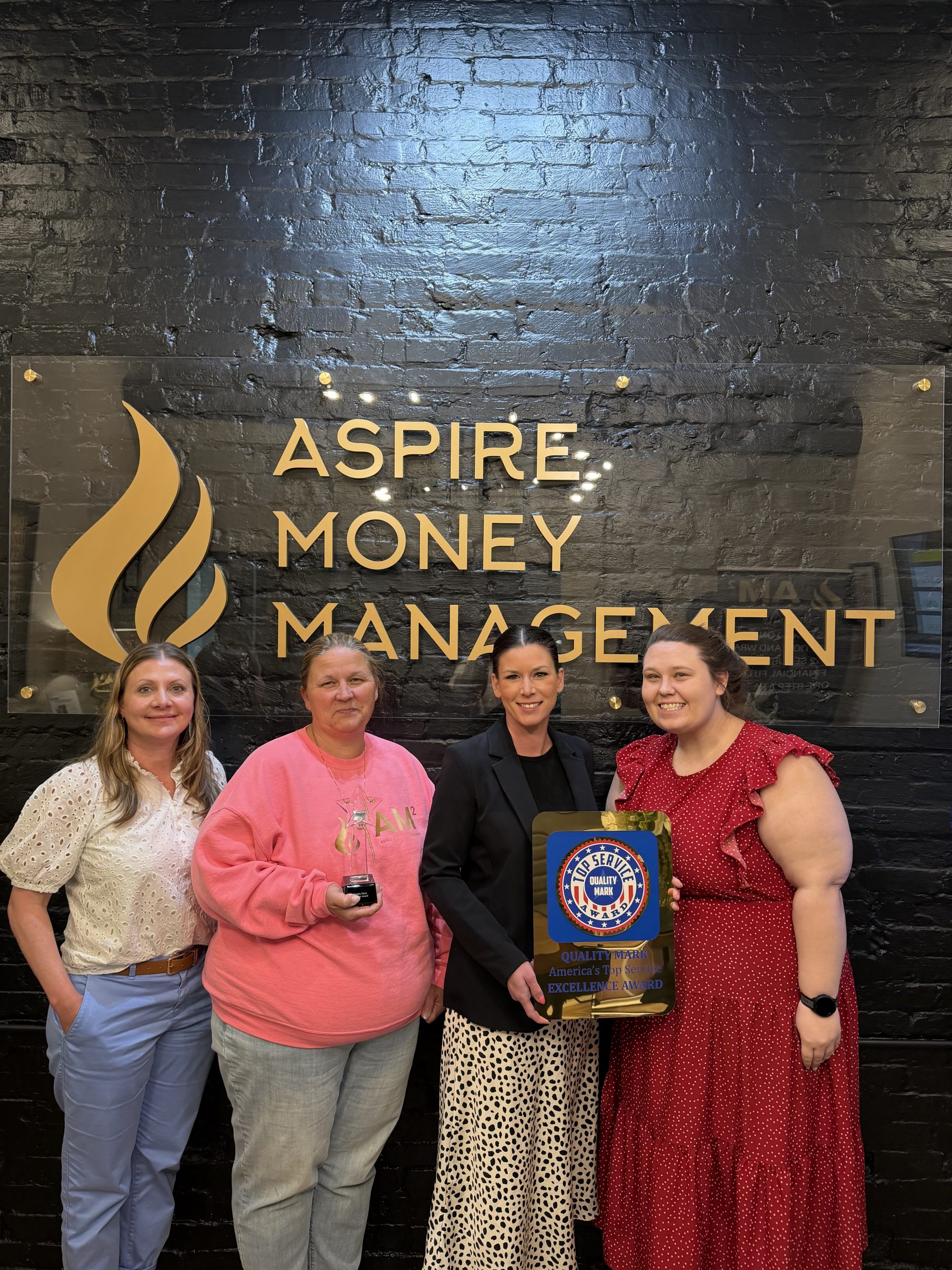
In 2026, Aspire Money Management was recognized by the independent Expert Evaluation Commission of the Quality Mark Business Excellence Award not for aggressive growth tactics or market noise, but for something more enduring: a disciplined, trust-centered approach to financial advisory in an industry where trust is often promised, yet inconsistently delivered.
A Market Full of Signals — and a Lack of Clarity
Modern financial services have become increasingly complex. Clients are surrounded by investment products, retirement strategies, tax considerations, and risk management tools — yet many still feel uncertain about what is truly happening with their financial future.
This gap between access and understanding has become one of the defining challenges of the industry.
Aspire Money Management addresses this not by simplifying reality, but by making it understandable. Their advisory model is built on personalized financial planning — aligning strategies with each client’s goals, risk tolerance, and long-term vision rather than applying standardized solutions.
It sounds intuitive. In practice, it is far from common.
A Holistic Model Rooted in Long-Term Thinking
What distinguishes Aspire is not a single service, but the integration of multiple disciplines into a unified strategy.
The firm’s approach includes:
- retirement planning
- tax-aware financial structuring
- insurance solutions
- elements of estate and legacy planning
These are not delivered as isolated offerings, but as interconnected components of a long-term financial framework.
In many ways, the model reflects a more traditional philosophy — one where financial advisors act not as product distributors, but as strategic partners in a client’s life trajectory.
Leadership That Prioritizes Relationships Over Transactions
At the center of this model is Amanda Mangum, whose leadership has shaped the firm’s direction and culture.
With more than 16 years of experience in financial services, she has built Aspire Money Management around a principle that is often stated but less frequently implemented: financial planning is ultimately about people, not just portfolios.
This perspective influences everything from client engagement to decision-making frameworks. It shifts the focus away from short-term performance metrics toward long-term stability, clarity, and confidence.
In a results-driven industry, that distinction matters.

Fiduciary Responsibility as a Core Standard
One of the key factors in the award evaluation was Aspire’s adherence to a fiduciary standard.
This is not merely a formal designation — it represents a legal and ethical obligation to act in the client’s best interest at all times.
While widely referenced across the industry, consistent execution of this principle remains uneven.
Aspire’s operational model demonstrates a clear alignment with this standard, reinforcing transparency and reducing conflicts of interest — a combination that significantly contributed to the Commission’s decision.
Growth Built on Trust, Not Noise
Unlike many firms that rely heavily on visibility and marketing-driven expansion, Aspire Money Management has grown through a different mechanism: trust-based relationships.
Client referrals, long-term retention, and community recognition have played a central role in the company’s development. While the firm and its leadership have been featured in professional and media publications, its core growth engine remains grounded in reputation rather than promotion.
This kind of growth is often quieter — but more resilient.
Why Aspire Stood Out
When viewed through the lens of the Quality Mark Business Excellence Award criteria, the rationale becomes clear.
Aspire Money Management represents a convergence of:
- transparency in a complex financial environment
- genuine personalization in place of standardized advisory models
- long-term strategic thinking in a short-term performance culture
Perhaps most importantly, the firm demonstrates consistency between its stated principles and its operational reality.
And that, more than anything, is what defines true business excellence.